Quick answer A surf forecast shows the swell size, the swell period, the wind and the tide. Beginners do best on small, clean waves with light wind, and a mid tide often suits Ngarunui Beach. Check the forecast the night before and again on the day, and ask an instructor if you are unsure.
A surf forecast can look like a wall of numbers at first. However, only a few of them really matter. This guide explains what each part means in plain language, so you can decide whether a day suits you. Once you know the basics, reading a surf forecast gets easy.
What a surf forecast tells you
A surf forecast predicts the conditions at a beach for the coming hours and days. It usually covers swell, wind and tide. Together, they tell you how big the waves will be, how clean they will look and where they will break.
Many websites and apps publish forecasts. They differ in style, but they all show the same basic information. You do not need to understand every number. Instead, focus on a few key ones, and compare them with what you see at the beach.
Swell size
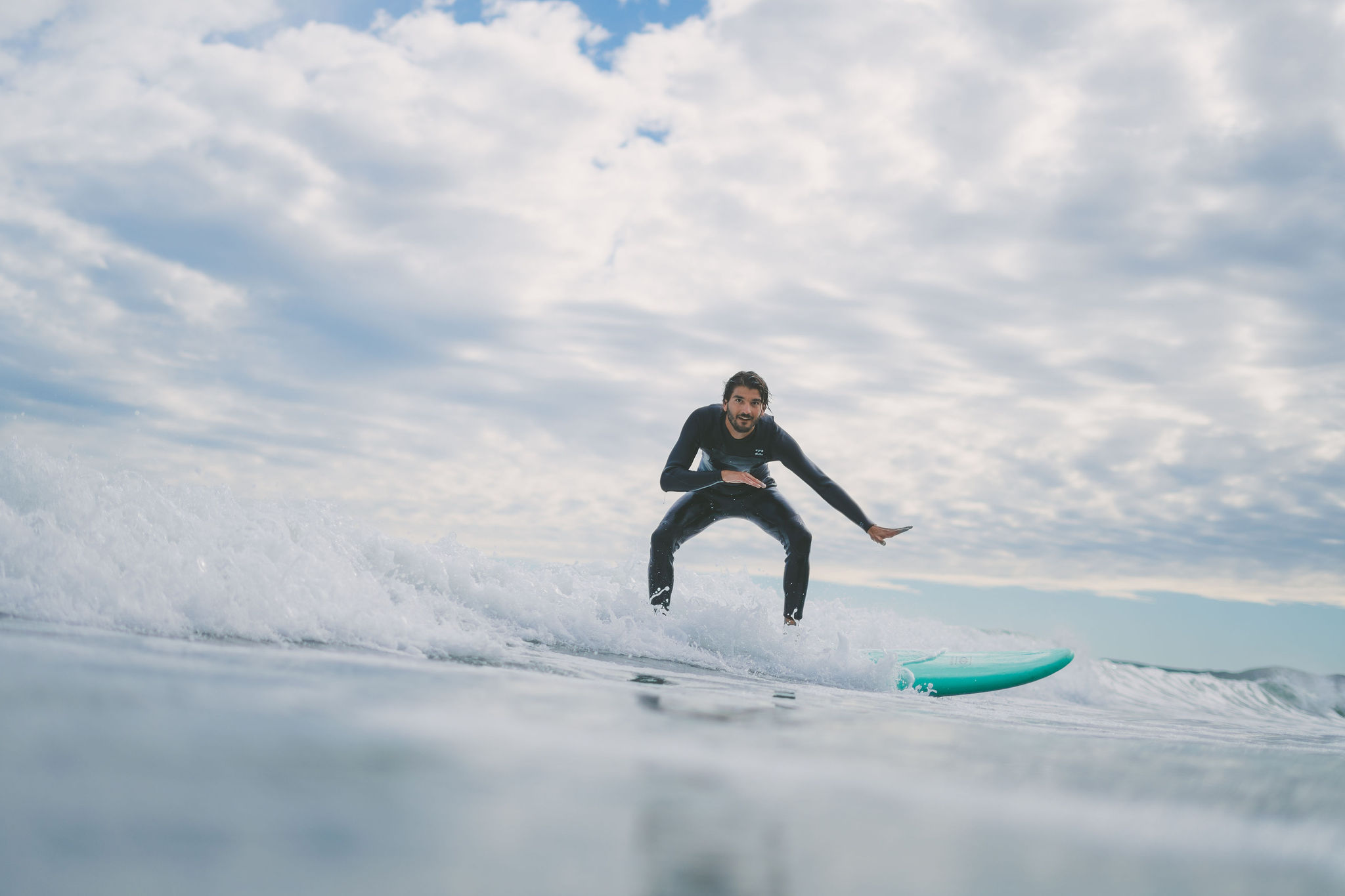
Swell size, or height, is the first number most people look at. It shows how large the waves are likely to be. For beginners, smaller is better. Small waves are slower and easier to catch, and they are less powerful if you fall.
As a rule, check the size, and then check how it feels on the day. Forecasts are estimates, so the real waves can differ. When in doubt, ask someone who knows the beach.
Swell period
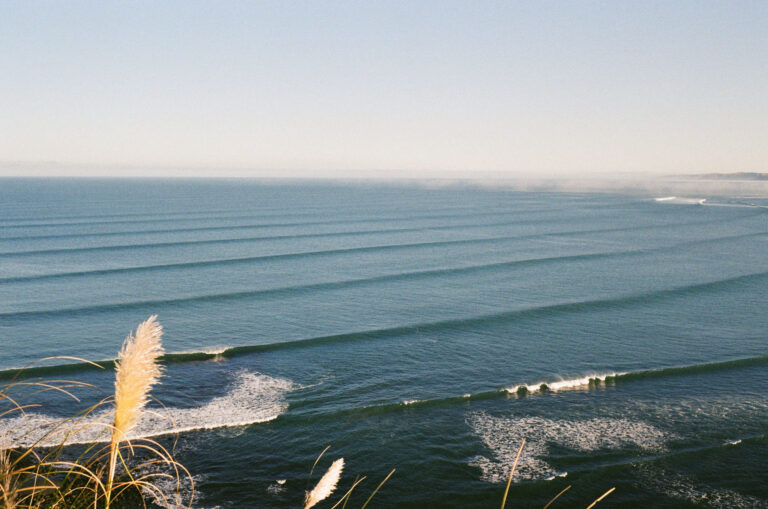
The swell period is the time between waves, measured in seconds. A longer period usually means more powerful waves, because the energy has travelled further. A shorter period often means smaller, weaker waves.
For beginners, a shorter or medium period is usually friendlier. Long-period swells can bring strong surf, even when the size looks small. That is why our instructors check the conditions each day before they choose a spot.
Wind and how it shapes the waves
Wind has a huge effect on wave quality. Offshore wind blows from the land towards the sea, and it tends to groom the waves and keep them smooth. Onshore wind blows from the sea towards the land, and it can make the waves choppy and messy.
Light wind is best for beginners. Strong wind makes it harder to paddle, and it can create rough water. Look for light, clean conditions, and you will have a much easier time.
Tide
Tide changes how and where waves break. At some tides, the surf is soft and easy, and at others it is steep or messy. Because of this, a surf forecast usually shows tide times alongside the swell. Our post on tides for surfing explains how the tide changes Ngarunui Beach.
Putting the surf forecast together
Once you understand the parts, you can combine them. A good day for a beginner usually has:
- small to medium swell height
- a short to medium period
- light wind
- a tide that suits your beach
When these line up, you can expect clean, friendly waves. When they do not, it is often better to wait or take a lesson with a coach who can choose the right spot.
Checking the forecast and the beach
A forecast is only a guide. Always look at the water before you get in. Watch the waves for ten minutes, and note where they break. Check for rips, as well. Our guide to rip currents explains what to look for.
For official beach safety advice, Surf Life Saving New Zealand is a helpful resource.
How our instructors use the forecast
Before every lesson, our instructors check the forecast and the conditions on the beach. They then choose where to take the group, and decide how to run the session. Because we time our group lessons around the best tides, the schedule changes every fortnight. You can see it on our lessons page.
Reading a surf forecast for the point breaks
The Raglan point breaks respond to the forecast differently from the beach. They need the right swell direction and size, and they can be dangerous in big surf. For more details, read our guide to Raglan’s point breaks. Beginners should stay at Ngarunui, where the conditions are gentler.
Common surf forecast mistakes
Beginners often misread a forecast in a few ways. Some look only at swell height, and they forget to check the wind. Others trust a forecast from days ago, even though conditions change quickly. Also, some people ignore the tide, which can change a good day into a messy one.
To avoid these mistakes, check the surf forecast the night before and again on the day. Then compare it with what you see at the beach. If something looks different, trust your eyes and ask for advice.
Frequently asked questions about reading a surf forecast
Small, clean waves with light wind are best for beginners.
It is the time between waves in seconds. A longer period usually means more powerful waves.
No. It is an estimate, so always check the conditions at the beach before you go in.
Not sure what the day looks like? Book a lesson and let our instructors read it for you.